
VENUE & TRAVEL
Getting here
The conference venue
SAVA CENTAR
Milentija Popovića 9, 11000 Belgrade, Serbia
Sessions are held in the Amphitheatre. Catering and networking take place in the Atrium. The cloakroom is immediately to the left of the congress main entrance. Paid parking is available at the venue. Wifi connection details are available at the registration desk.
SCLI 2027, the 12th International Society of Construction Law Conference will be held at Sava Centar, Belgrade’s iconic congress, cultural and business venue and one of the most important conference centres in Southeast Europe. Opened in 1977, Sava Centar was originally built to host the first summit of the Conference on Security and Co-operation in Europe (CSCE), today known as the Organization for Security and Co-operation in Europe (OSCE). Throughout its history, it has welcomed numerous international congresses, cultural events and high-level political gatherings, including the 9th Summit of the Non-Aligned Movement in 1989, which brought together Heads of State and Government from around the world.
Recognised for its architectural significance, Sava Centar was nominated for the Pritzker Architecture Prize in 1978, just one year after its opening, reflecting the ambition and quality of its design. Following a comprehensive redevelopment, the venue reopened in November 2023, combining its rich heritage with state-of-the-art facilities and modern event infrastructure.
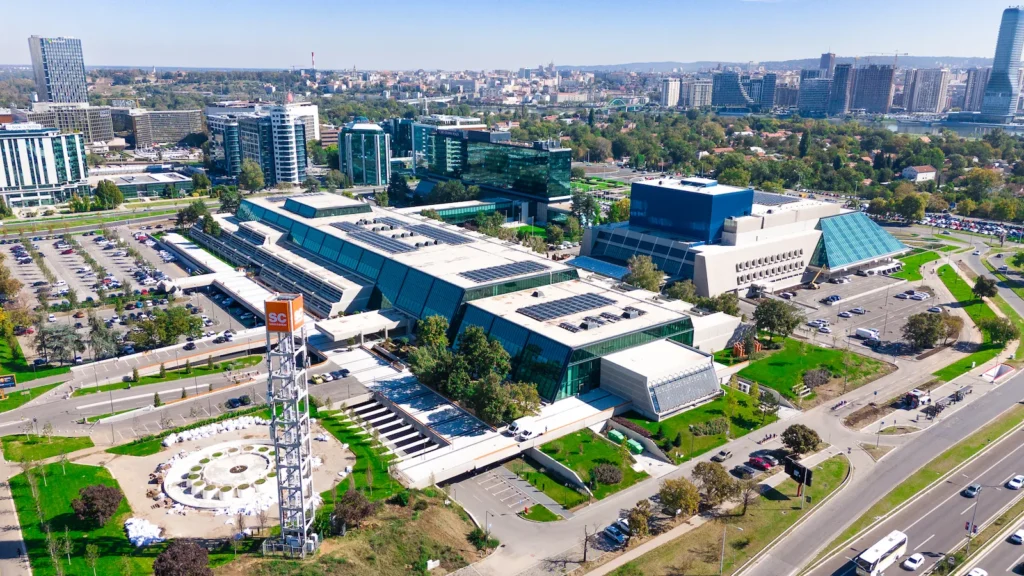
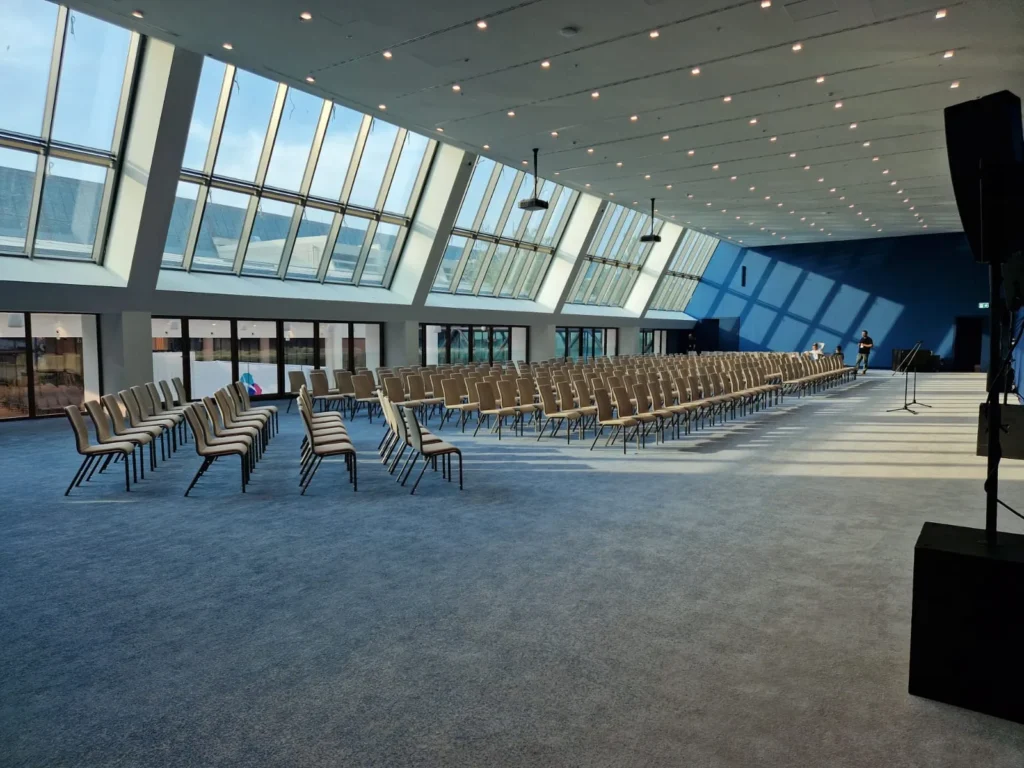
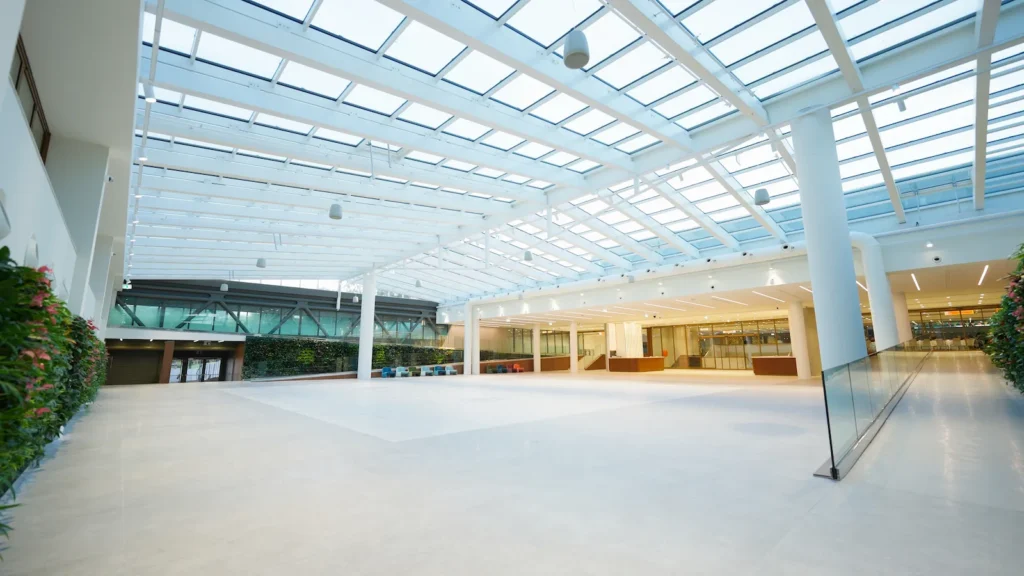
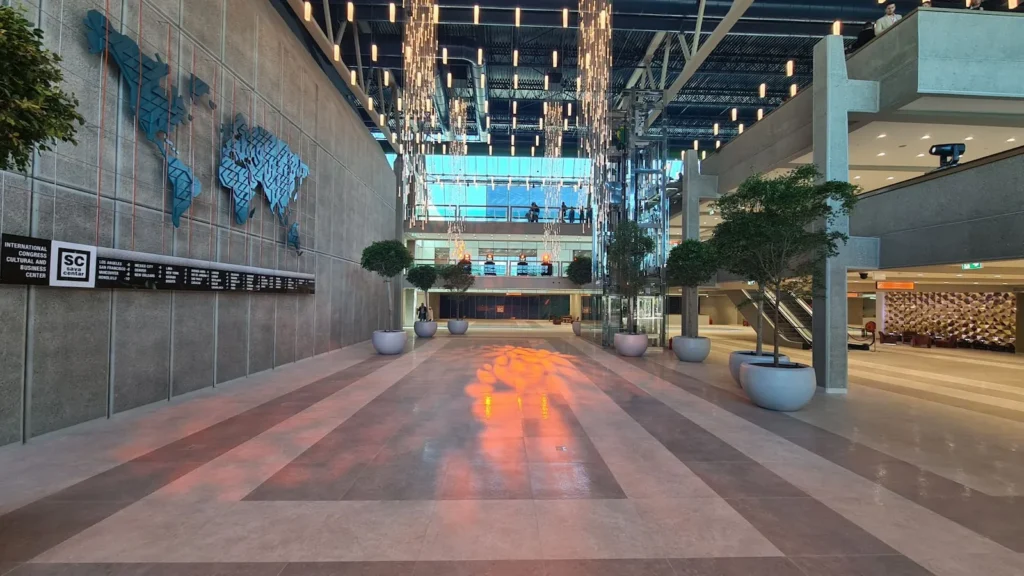
Photographs: Sava Centar
The welcome evening
The welcome evening takes place on Wednesday 29 September 2027. It is ticketed separately from the conference and can be booked when you register. The address and details will be published here once the venue is confirmed.
The gala dinner
The gala dinner takes place on Thursday 30 September 2027. It is ticketed separately from the conference and can be booked when you register. The address and details will be published here once the venue is confirmed.
Getting to Belgrade
By air. Belgrade Nikola Tesla Airport (BEG) handled almost nine million passengers in 2025 and serves over 110 destinations in more than forty countries, close to double its network of a decade ago. There are direct flights from major cities across Europe and the Middle East, and intercontinental services to New York, Chicago, Shanghai and Guangzhou. Sava Centar is about 18 km from the airport, typically 15 to 25 minutes by road depending on traffic. Taxis, the airport shuttle bus and city buses all run from directly outside arrivals.
By car. Belgrade is reached by motorway from Hungary, Croatia, Bosnia and Herzegovina, Montenegro, North Macedonia, Bulgaria and Romania. It is 325 km from Sarajevo, 369 km from Budapest, 379 km from Sofia, 394 km from both Skopje and Zagreb, and 450 km from Podgorica. Serbia is outside the European Union, so every route involves a border crossing. Drivers should carry vehicle registration documents and insurance valid in Serbia, and should check with their own licensing authority whether an international driving permit is required alongside their national licence.
By bus. The city has a comprehensive bus network that connects it to various destinations within Serbia and neighbouring countries. Several international bus companies operate routes to and from Belgrade, offering a cost-effective and convenient travel option.
Airport transfers. A private transfer service between Nikola Tesla Airport and addresses in Belgrade can be arranged by Miross, the conference organiser. Vehicles can be booked individually or shared, and prices are shown at the time of booking. Transfers are booked and paid for directly with Miross, independently of conference registration. Book an airport transfer.
Getting around Belgrade
Belgrade has a well-developed public transport system consisting of buses, trams and trolleybuses, providing convenient connections throughout the city.
Public transport in Belgrade has been free of charge since January 2025, making it easy for delegates to travel between different parts of the city and reach Sava Centar. No tickets are required for regular public transport lines. Please note that the express “E” minibuses and the A1 airport shuttle are not part of the free public transport system and are charged separately.
Sava Centar is well connected to other parts of Belgrade. The nearest public transport stop is on Milentija Popovića Street, directly in front of the venue’s main entrance, and is served by several lines.
Taxis. Taxis are widely available throughout Belgrade. You can download the Yandex Go mobile application to request a ride, see the estimated fare and follow the vehicle’s arrival. If taking a taxi without an application, use official licensed services only. Card payment may not be available in every vehicle, so it is advisable to carry some cash. ATMs can be found both at Belgrade Airport and inside Sava Centar.
Practical information
Time zone. Serbia is on Central European Time. During the conference the local time is UTC+2.
Climate. Late September and early October are generally pleasant in Belgrade, with mild autumn weather suitable for sightseeing and outdoor activities. Daytime temperatures typically range from 15°C to 22°C, while mornings and evenings can be cooler, usually between 8°C and 12°C. Bring a light jacket or an additional layer for the evening.
Currency. The official currency is the Serbian dinar (RSD). Cash is widely used for day-to-day transactions. ATMs are available throughout the city, allowing you to withdraw dinars using major credit or debit cards. If bringing euros or US dollars, exchange them at official exchange offices or banks for the best rates.
Cards. Credit and debit cards are widely accepted in larger stores, restaurants and hotels. Many places accept contactless payment methods such as Apple Pay and Google Wallet. Taxis typically require cash unless you order through an application.
Mobile and roaming. Roaming costs vary depending on your home country and provider. Several Serbian mobile operators offer eSIM services, allowing you to activate a digital SIM directly on a compatible device without a physical SIM card.
Insurance. Delegates are advised to arrange private travel health insurance before travelling to Serbia.
Tipping. Tipping is not mandatory in Serbia. It is customary to add 5 to 10 per cent in restaurants if you are satisfied with the service.
Visas
Many delegates will not need a visa to enter Serbia, but this depends on your nationality and on the travel document you hold. Entry conditions are set by the Republic of Serbia and change from time to time.
Please check your own position on the Ministry of Foreign Affairs website, which is the authoritative source: visa requirements and visa regime by country. We are not able to advise on visa applications.
Accommodation
Preferential rates have been arranged at hotels near the venue. Details are on the Accommodation page.
Arriving early or staying on
In the city
Belgrade rewards an extra day. The fortress at Kalemegdan sits above the point where the Sava meets the Danube, with the old town below it and the rivers on two sides. Skadarlija, the nineteenth-century bohemian quarter of cobbled streets and kafanas, is a short walk from the centre. The Nikola Tesla Museum holds the inventor’s personal archive and his ashes. Along both riverbanks, the splavovi (floating bars and restaurants moored to the shore) are a Belgrade institution.
The city is unusually legible as a construction history. Ottoman work survives around Dorćol, where the Bajrakli Mosque still stands. The centre is Austro-Hungarian and interwar, in the National Theatre, the National Bank and the streets around Knez Mihailova. New Belgrade holds one of Europe’s largest surviving ensembles of postwar modernism, from the Palace of Serbia to the Genex Tower. The waterfront towers along the Sava are the newest layer, and parts of it are still going up.
Serbian cooking draws on Ottoman, Central European and Mediterranean traditions, and Belgrade now holds Michelin stars alongside kafanas that have changed very little in a century. Šljivovica, the plum brandy served before a meal rather than after, was inscribed on the UNESCO list of intangible cultural heritage in 2022.
Early October is a good time to be here: mild days, cool evenings, and the summer crowds gone.
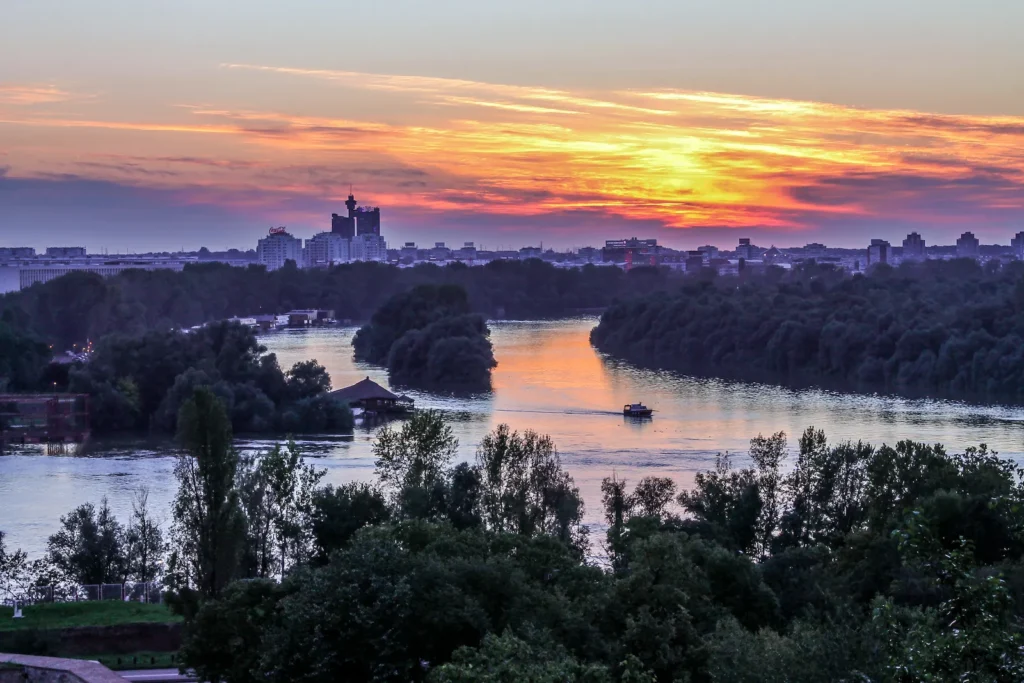
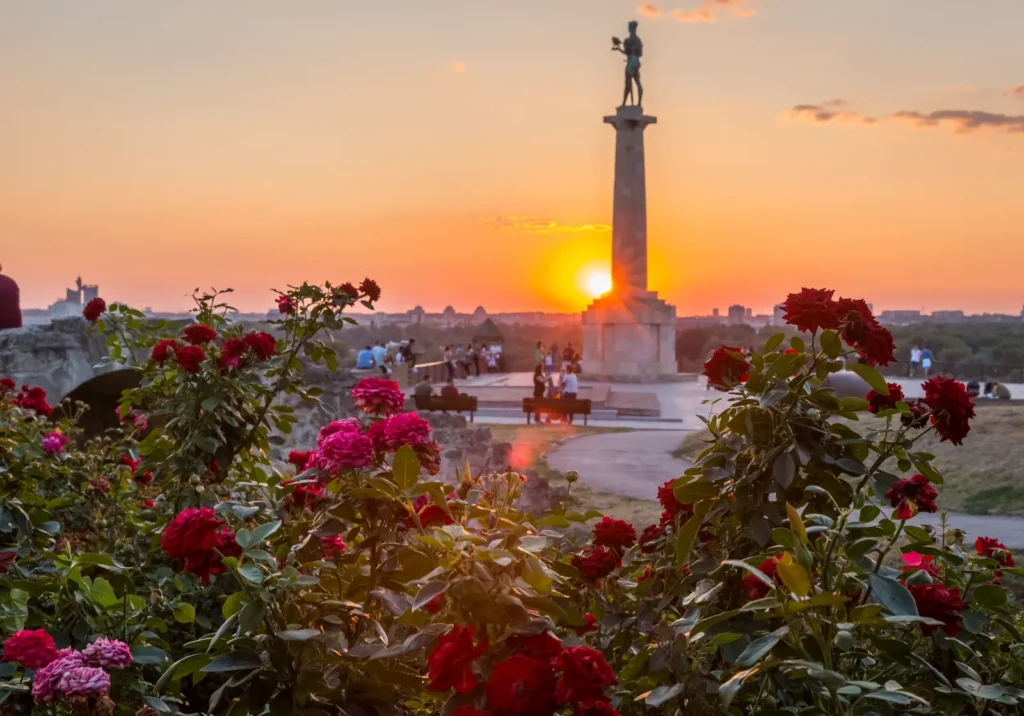
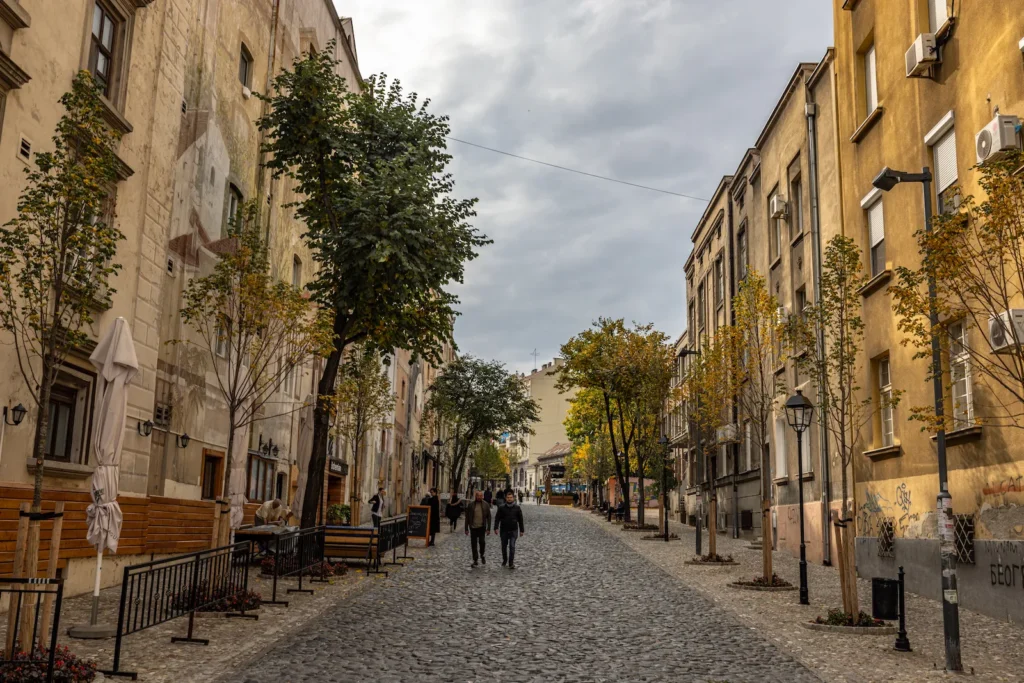
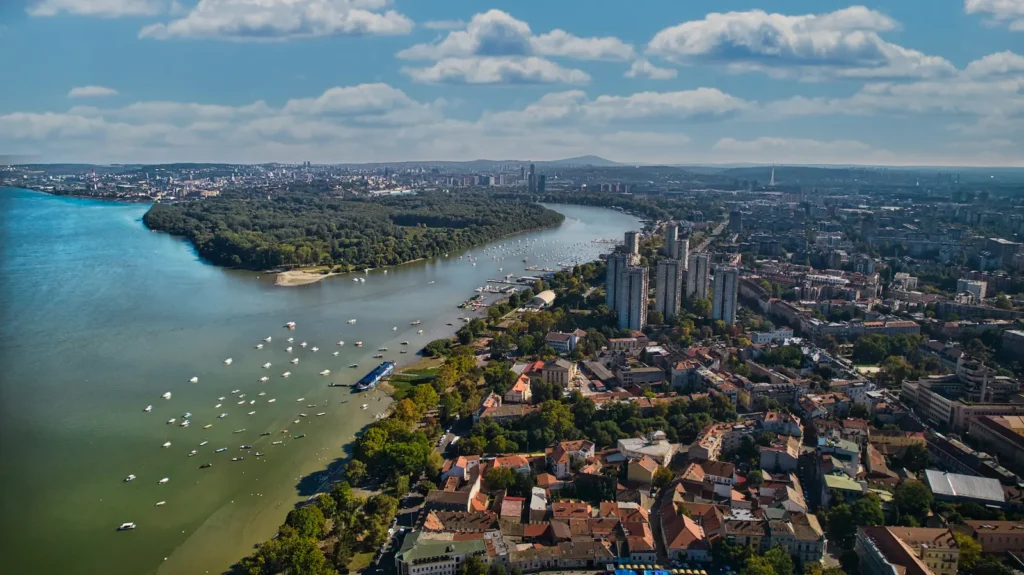
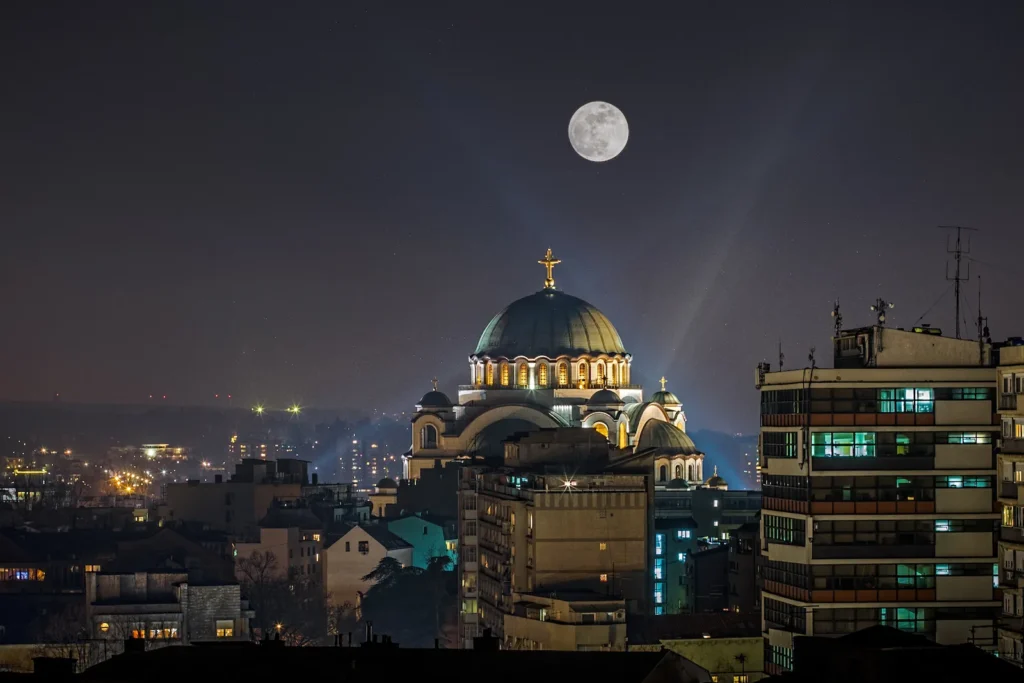
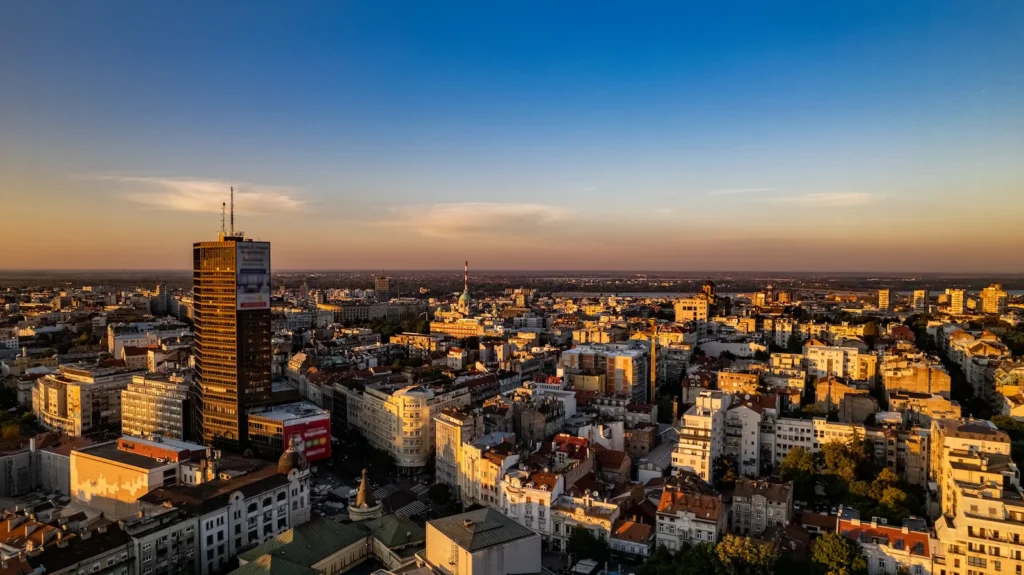
Photographs: Aleksandar Matić and Andrej Nihil, National Tourism Organisation of Serbia.
Beyond Belgrade
Novi Sad and the Petrovaradin fortress are less than an hour north, with the vineyards and monasteries of Fruška Gora and the baroque town of Sremski Karlovci close by. An hour south, the royal church at Oplenac holds mosaic copies of Serbia’s mediaeval frescoes, in a wine region worked for centuries. Downstream to the east, the fortress at Golubac stands where the Danube narrows into the Iron Gates gorge.
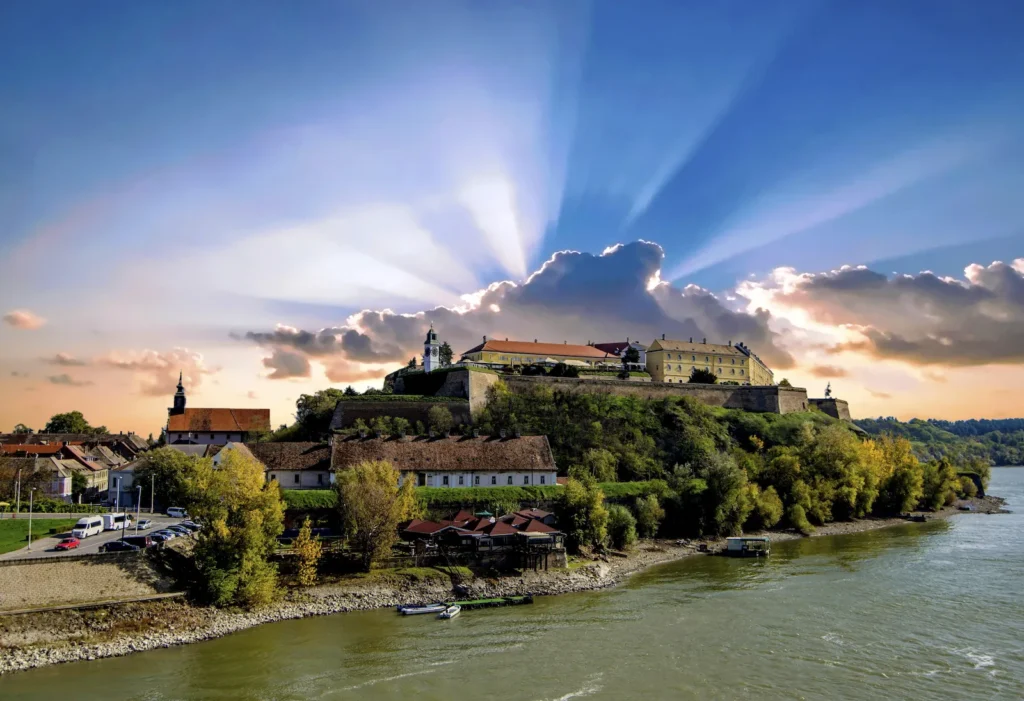
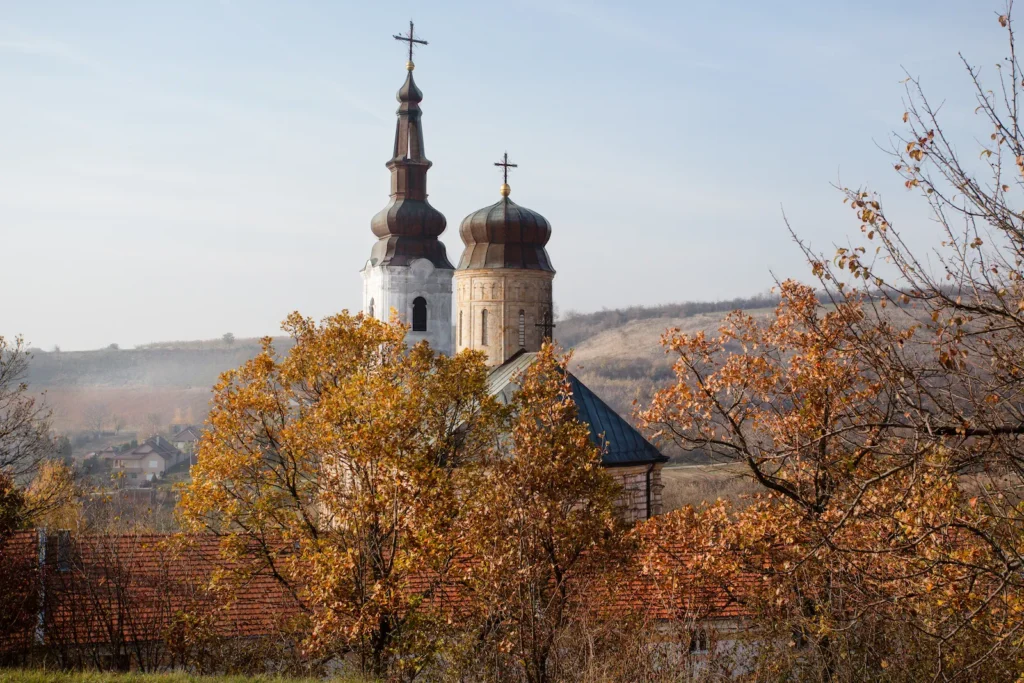
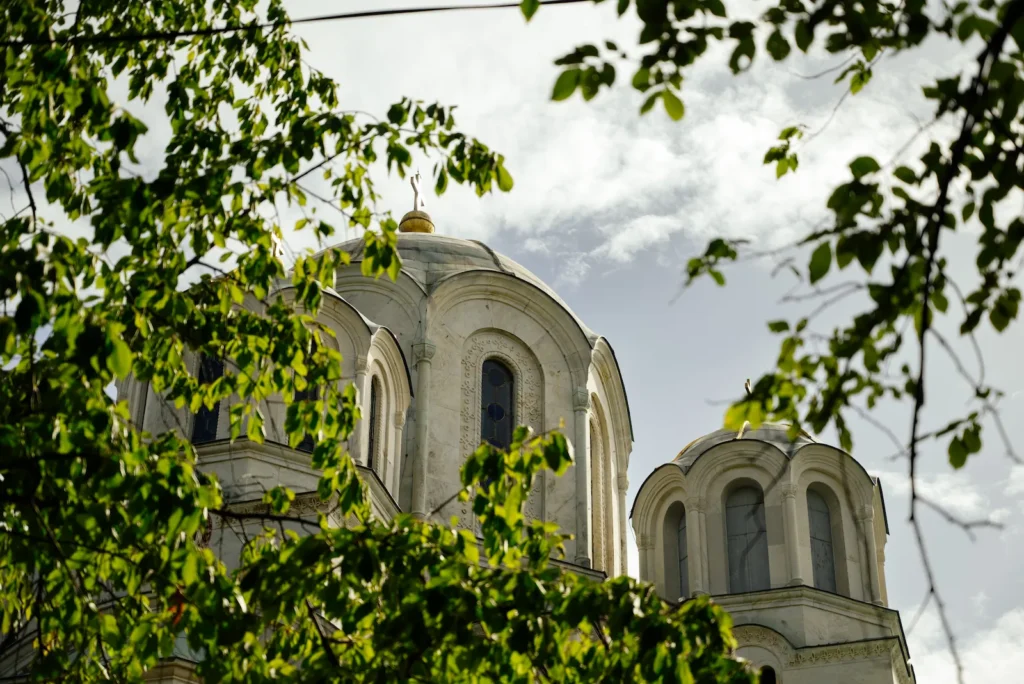
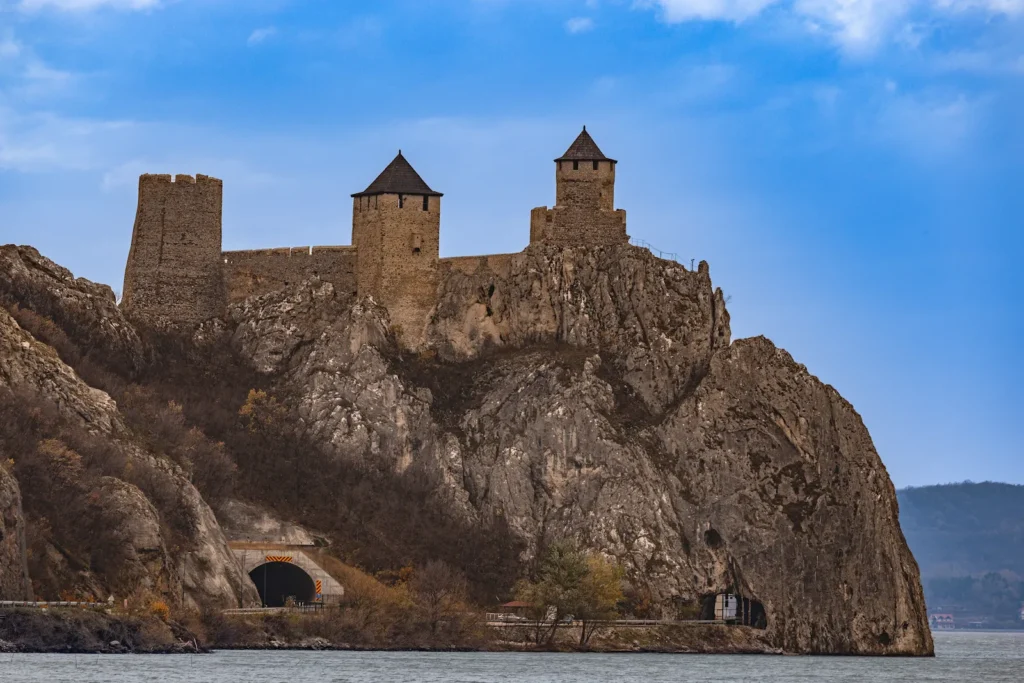
Photographs: Aleksandar Milutinović, Predrag Kostin, Željko Đorđević and Andrej Nihil, National Tourism Organisation of Serbia.
Miross, the conference organiser, can arrange guided tours, day trips and other arrangements for delegates and accompanying persons. Write to scli2027@miross.rs.